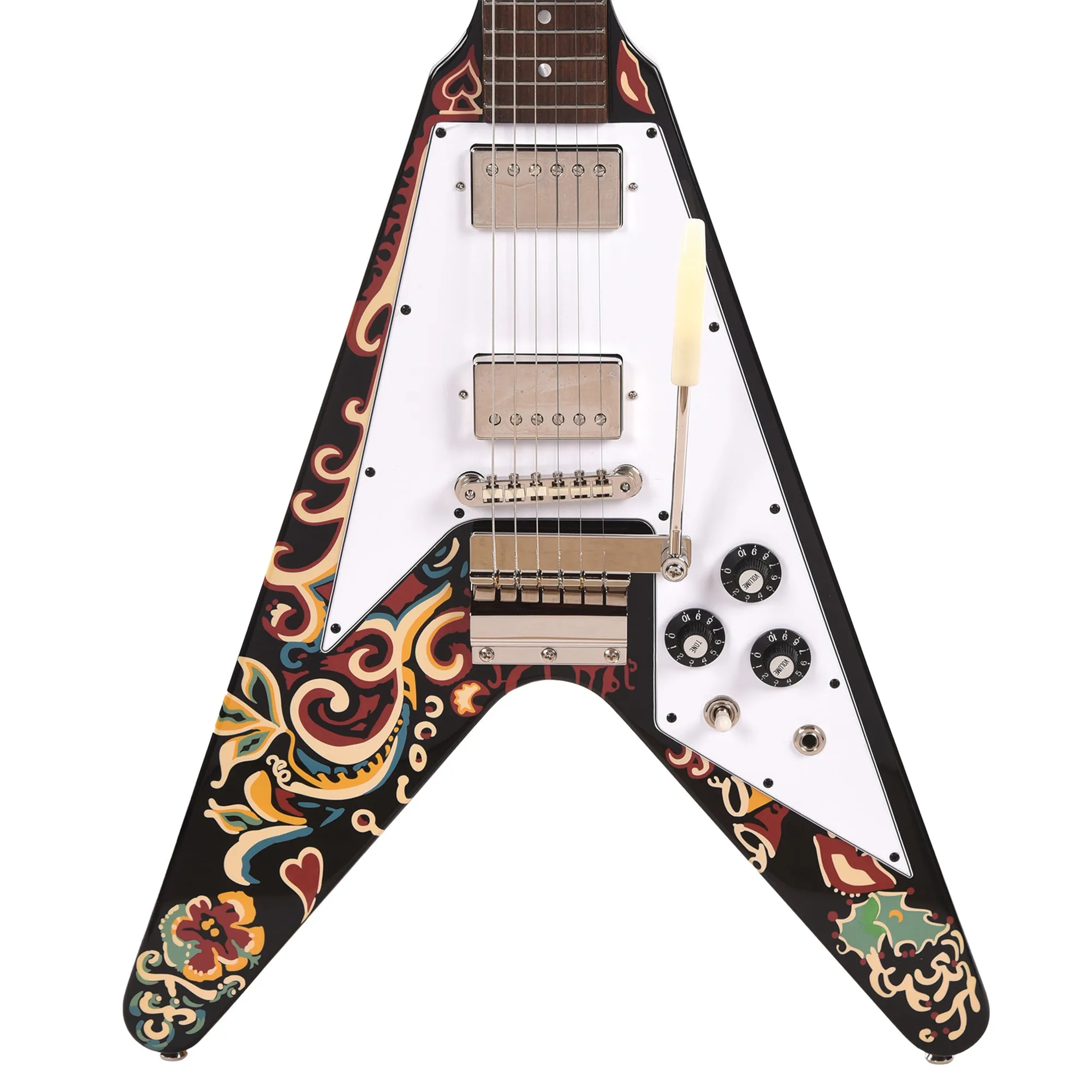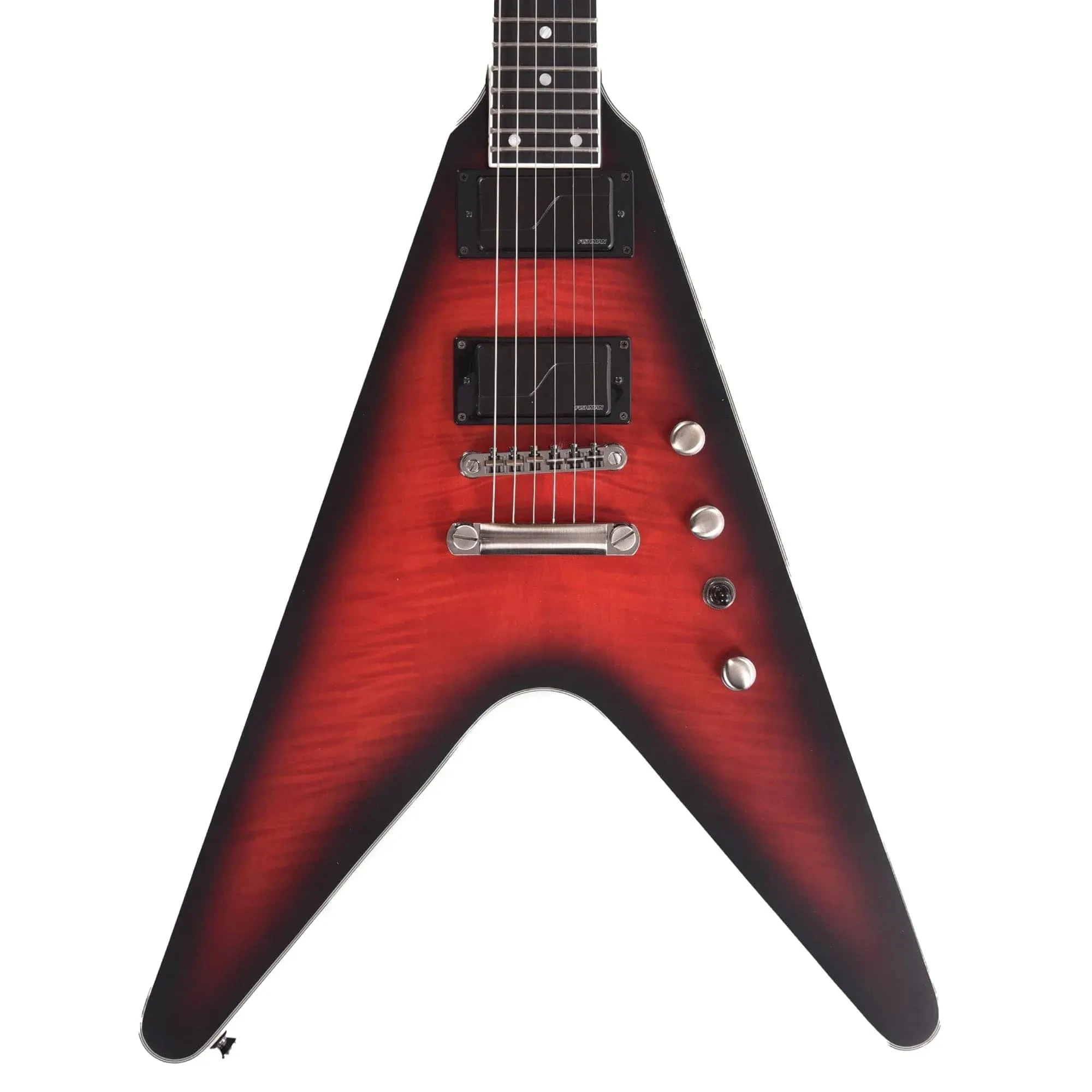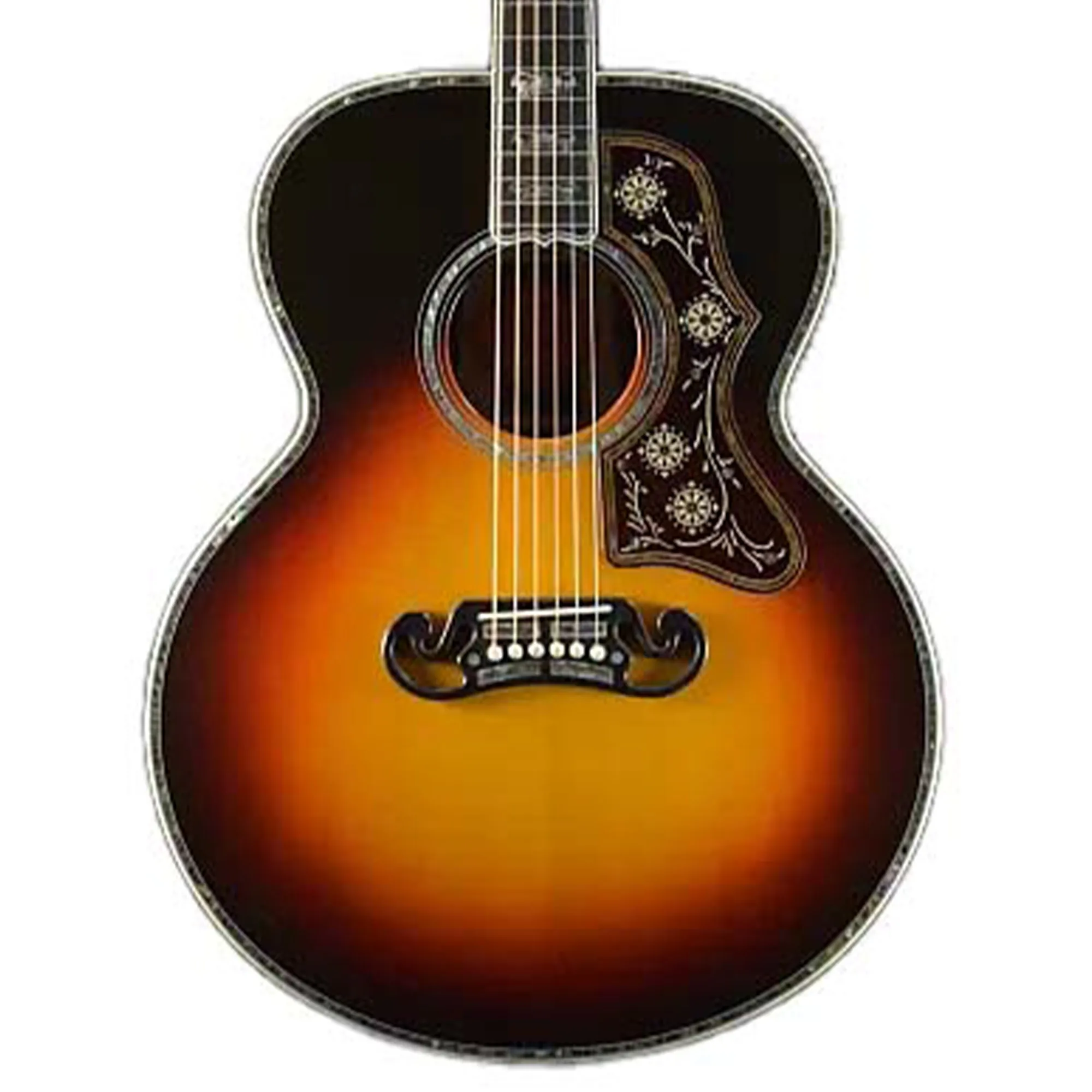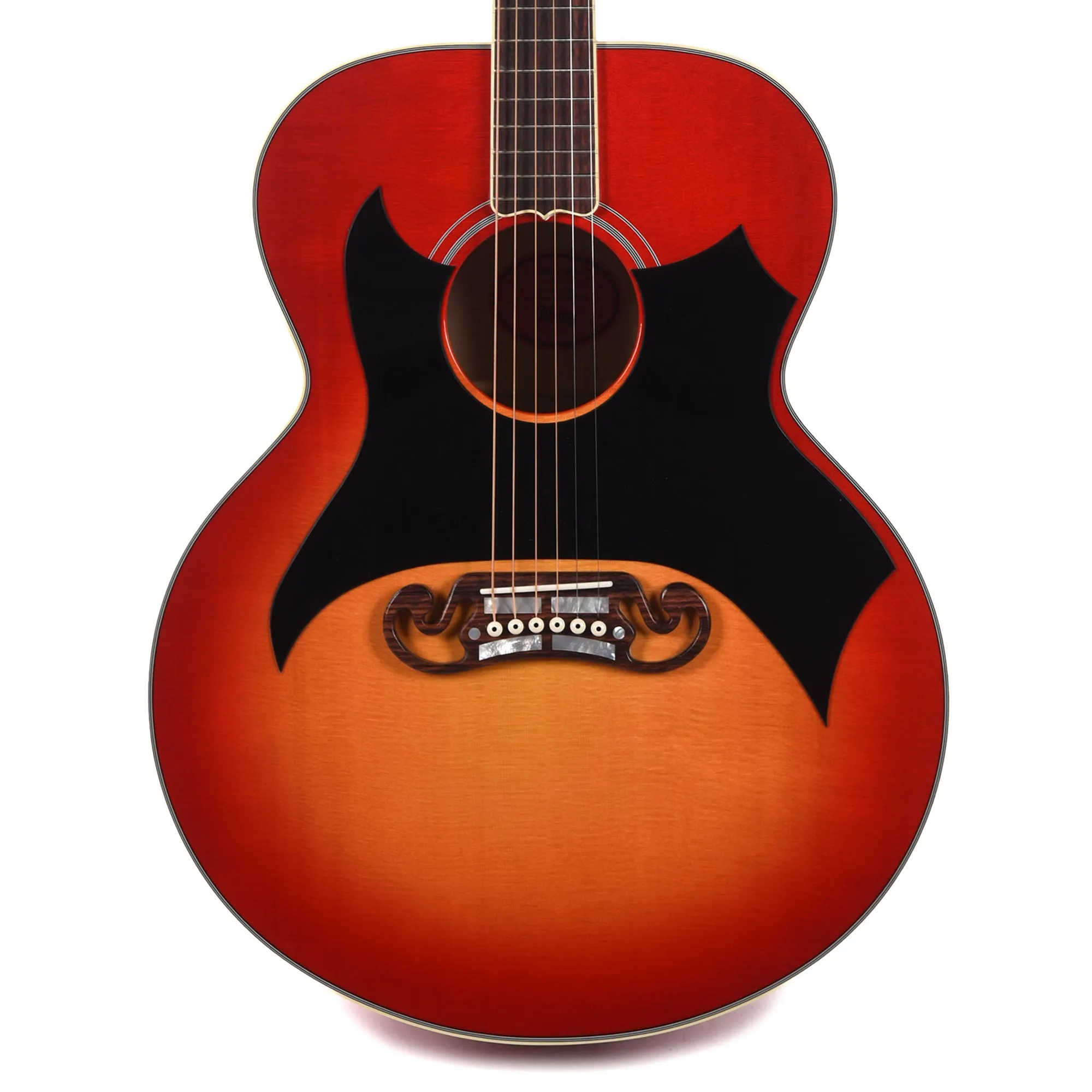
You walk into a music store looking for a Les Paul. Two guitars immediately catch your attention.
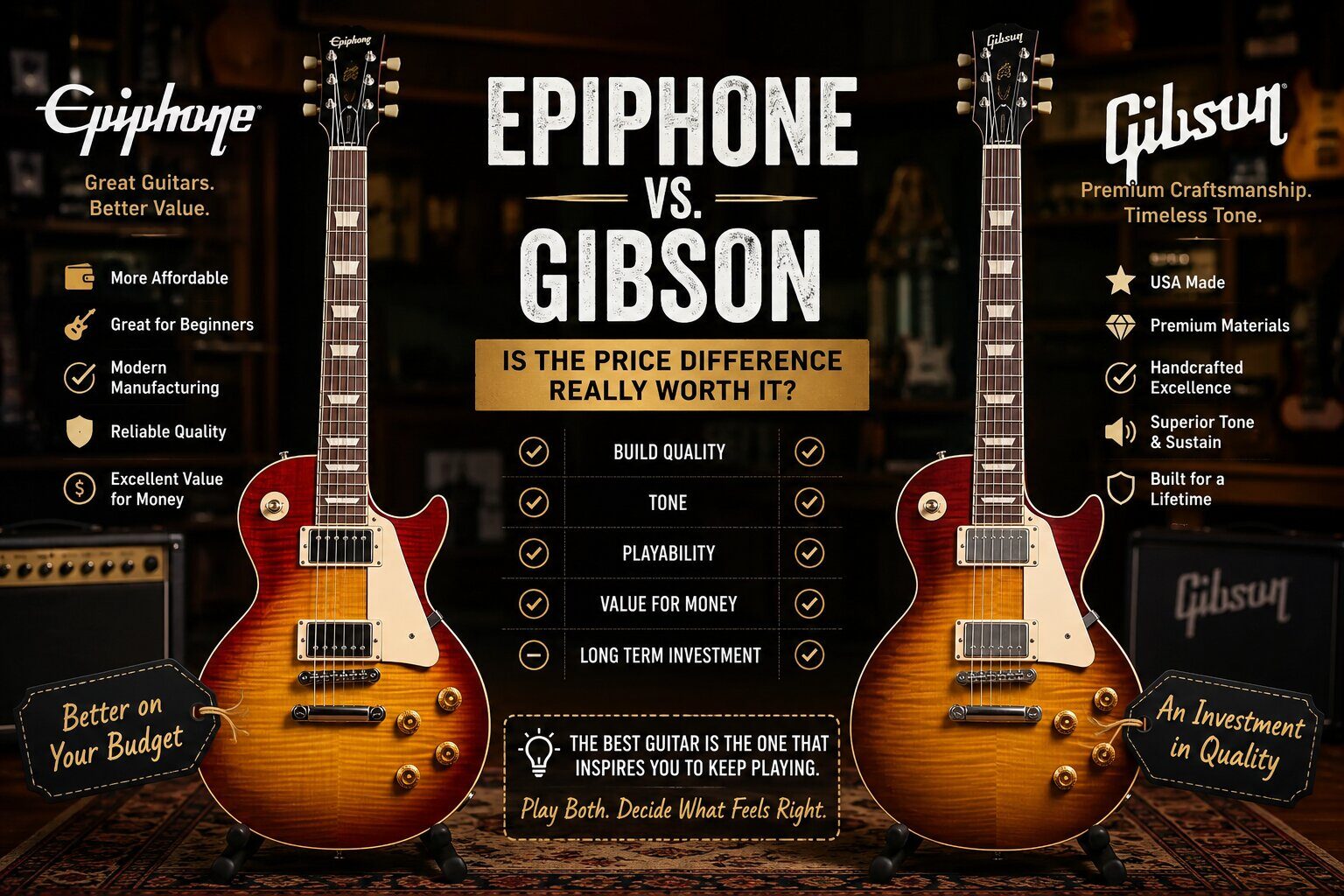
They have almost the same shape. The same glossy finish. The same famous design that's been played by generations of guitarists. Then you check the price.
One costs several times more than the other.
That's usually the moment someone asks,
"Why is the Gibson so expensive when the Epiphone looks almost the same?"
It's a fair question, and it's one we hear regularly at Sadek Music Shop.
Some people assume they're simply paying for the Gibson logo. Others believe there's hardly any difference at all. In reality, neither of those assumptions is completely true.
You're Not Just Paying for the Logo
If the name on the headstock were the only difference, very few musicians would spend the extra money. The price reflects everything that goes into building the guitar.
Most Gibson guitars are made in the USA using carefully selected woods, premium hardware and a manufacturing process that involves far more hand-finishing than many people realise. Every instrument is inspected, adjusted and set up before it reaches a retailer.
Epiphone takes a different approach.
Its guitars are produced in modern manufacturing facilities outside the United States, where efficient production keeps costs lower without changing the classic designs players recognise.
Both companies belong to the same family, but they're built with different buyers in mind.
Here's What Many Buyers Don't Realise
The biggest difference between these guitars isn't something you notice from across the room. It's something you notice after months—or even years—of playing.
A Gibson often feels a little more refined. The neck finish is smoother, the fretwork is cleaner and the overall playing experience feels more polished. Does that mean an Epiphone feels cheap?
Not at all. Modern Epiphone guitars have improved enormously over the last decade. Many players are genuinely surprised by how well they're built, especially considering the price.
That's why so many musicians now see Epiphone as much more than a beginner brand.
Will Everyone Notice the Difference?
Honestly, no. If you're playing at home, practising after work or performing occasional weekend gigs, an Epiphone can easily do the job.
The audience certainly isn't going to stop the show because your guitar says Epiphone instead of Gibson. Where Gibson begins to stand out is in the finer details. The way notes sustain. The way the pickups respond to lighter or heavier picking.
The overall consistency from one instrument to another. These aren't differences every guitarist needs, but experienced players often appreciate them.
The Better Question Is...
Instead of asking,
"Which guitar is better?"
try asking,
"Which guitar makes more sense for me?"
That's usually where the answer becomes much clearer.
If this is your first serious electric guitar, spending the difference on a better amplifier, quality cable or guitar lessons might improve your playing more than buying a Gibson straight away.
If you've been playing for years and you've always wanted a Gibson, that's a different conversation. You're no longer buying your first guitar. You're investing in an instrument you'll probably own for a very long time.
One Mistake We See Quite Often
Some customers decide they want a Gibson before they've even played one. Others convince themselves that an Epiphone can't possibly be good enough. Then they visit our showroom.
They spend an hour comparing both guitars. And quite often, they leave with the one they weren't expecting to buy. Not because one guitar is objectively better, but because one simply feels better in their hands.
That's why we always recommend playing both if you have the opportunity. Specifications can tell you a lot. Comfort tells you even more.
So, Is a Gibson Worth the Extra Money?
Sometimes, yes.
Sometimes, no.
If you're looking for premium craftsmanship, American manufacturing and an instrument you'll likely keep for decades, a Gibson is worth considering.
If you're looking for outstanding value, dependable performance and the same iconic designs at a much more accessible price, an Epiphone is difficult to ignore.
Neither decision is wrong. They're simply built for different types of players.
Final Thoughts
The conversation around Epiphone and Gibson often focuses on price, but price is only one part of the story. The more important question is how you plan to use the guitar.
Some musicians will appreciate everything a Gibson has to offer and never regret the investment. Others will discover that an Epiphone gives them exactly what they need while leaving room in the budget for an amplifier, pedals or future upgrades.
At Sadek Music Shop, we've been helping guitarists across the UAE choose the right instruments since 1979. Whether you're comparing your first Epiphone or finally buying the Gibson you've wanted for years, our advice is always the same—play both, ask questions and choose the guitar that feels right to you.
Because the best guitar isn't always the most expensive one. It's the one that makes you want to play again tomorrow.