If you're shopping for a PA speaker for the first time, you'll probably notice that almost every model is described as either active or passive. At first glance, the difference doesn't seem particularly important. Both are designed to make music, vocals, or speeches loud enough for an audience to hear.
The distinction becomes more obvious once you start building a sound system.
Over the years, we've spoken to musicians preparing for their first live performance, DJs investing in portable equipment, schools upgrading assembly halls, and businesses fitting out conference spaces. Although their requirements are very different, one question comes up time and again: Should I choose active or passive speakers?
There isn't a universal answer because both have their strengths. The best choice depends less on the speaker itself and more on where it will be used, how often it will be moved, and whether the system is likely to grow in the future.
Understanding What a PA Speaker Does
A PA, or Public Address, speaker is designed to project sound over a much larger area than a typical home speaker. Whether it's live music, a wedding reception, a presentation or a community event, its role is the same—to deliver clear, balanced sound that reaches everyone in the room.
Modern PA speakers are remarkably versatile. The same technology that powers a live band on stage can also be found in classrooms, hotels, restaurants, places of worship and fitness studios. While applications vary, the principles behind the equipment remain the same.
One of the most important of those principles is how the speaker receives its power.
Active PA Speakers: Designed for Simplicity
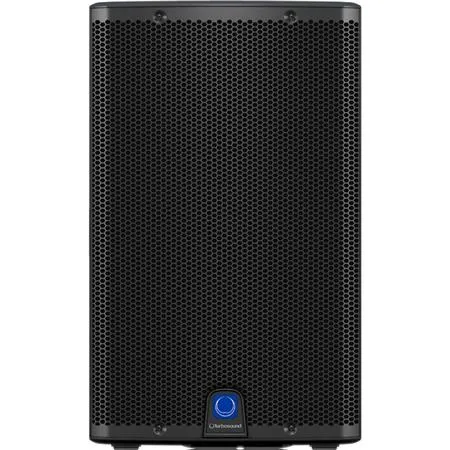
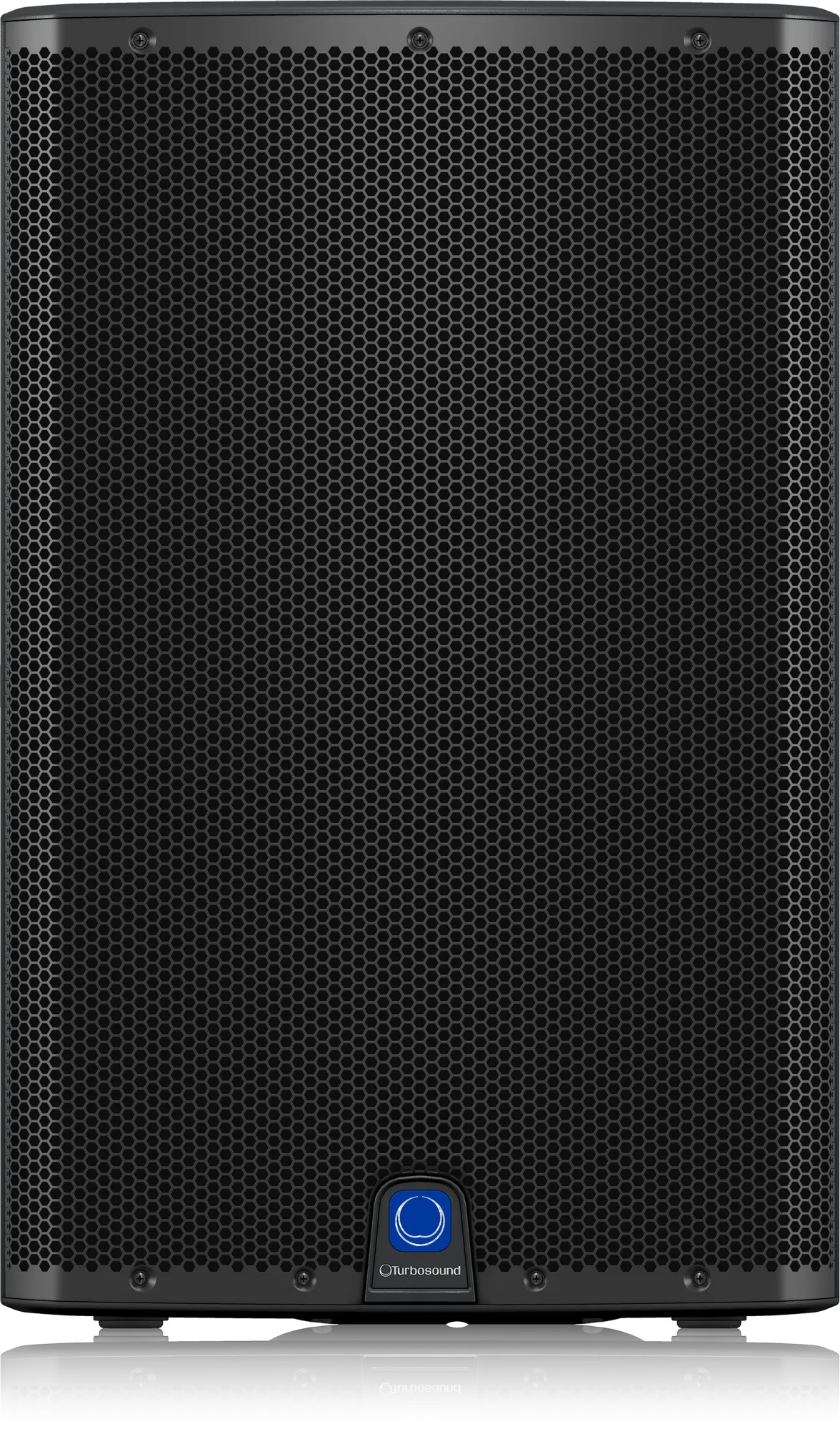
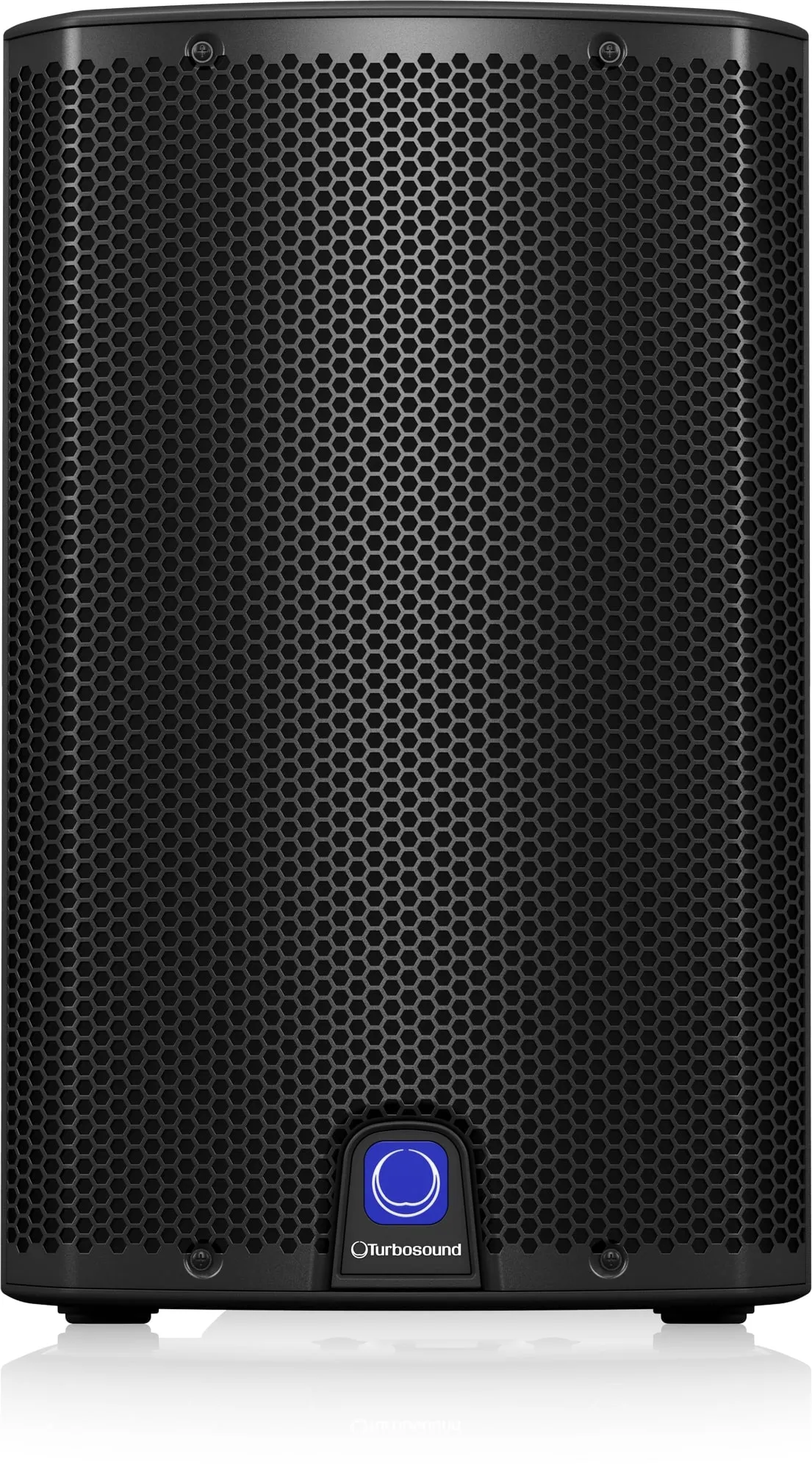
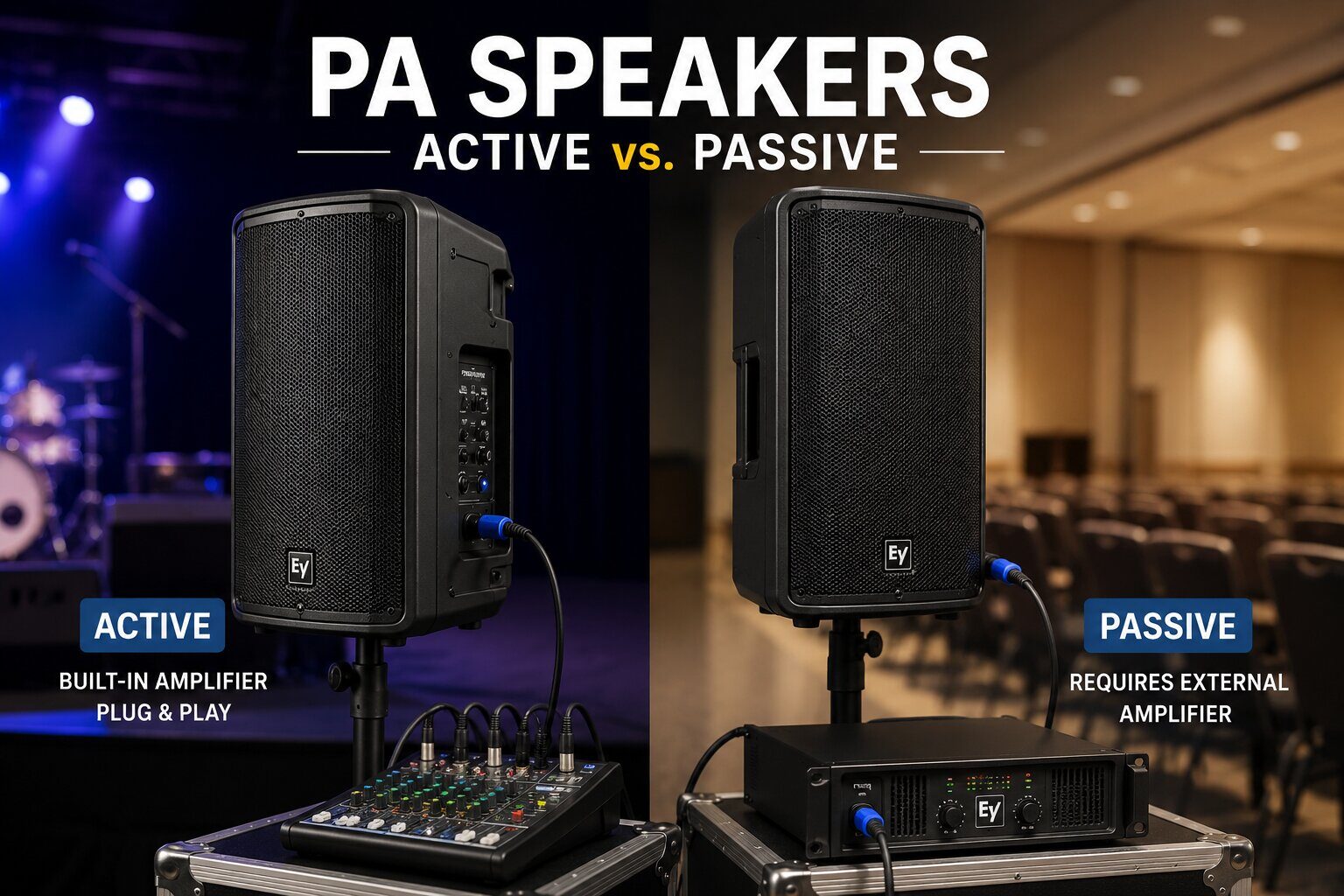
An active PA speaker contains its own amplifier inside the cabinet. Instead of purchasing an amplifier separately, everything required to drive the speaker has already been matched by the manufacturer.
For many users, this makes life considerably easier.
A smaller number of components means faster installation, less cabling and fewer compatibility concerns. You don't need to calculate amplifier power or worry about matching impedance because those decisions have already been made during the design of the speaker.
It's easy to understand why active speakers have become the preferred choice for many DJs, solo performers and event companies. When equipment needs to be transported, assembled and packed away regularly, a straightforward setup saves valuable time.
Passive PA Speakers: Built with Flexibility in Mind
Passive speakers approach the job differently.
Rather than containing their own amplifier, they rely on external amplification. At first this may seem less convenient, but for many professional installations it offers significant advantages.
Because the amplifier is separate, it becomes much easier to build larger sound systems. Additional speakers can be added, amplifiers can be upgraded independently, and equipment can be housed neatly in dedicated racks rather than inside each individual speaker.
This is one reason passive systems remain common in theatres, schools, hotels and larger venues where the audio system is expected to remain in place for many years.
Choosing Between Convenience and Flexibility
When people compare active and passive speakers, they're often looking for a simple winner.
In reality, they're solving different problems.
If your equipment travels from one venue to another every weekend, convenience quickly becomes a priority. An active speaker allows you to unload fewer components, connect fewer cables and spend less time preparing before an event begins.
A permanent installation has different priorities. Flexibility, expansion and long-term serviceability often become more important than portability, making passive systems a practical choice.
Neither approach is better. They're simply designed with different users in mind.
Does One Sound Better Than the Other?
It's one of the biggest misconceptions in professional audio.
There's a belief that active speakers produce better sound because they're newer, while others argue that passive systems are more professional because they use separate amplifiers.
Neither assumption is accurate.
The quality of the sound depends on the design of the speaker, the quality of its components, the acoustics of the venue and how well the entire system has been configured. An excellent active speaker will outperform a poorly assembled passive system, just as a premium passive installation can deliver exceptional results in larger venues.
Rather than focusing on the label, it's far more useful to consider whether the system suits the environment in which it will be used.
Thinking Beyond Today's Requirements
Buying a PA system isn't only about the next event. It's also worth thinking about where your audio requirements might be a year or two from now.
A solo performer may only need a pair of active speakers today, while a venue manager planning future expansions might benefit from the flexibility offered by a passive system. Considering those long-term needs before making a purchase often prevents unnecessary upgrades later.
It's an approach we regularly recommend because the right system should continue to meet your needs long after the first event is over.
Final Thoughts
Active and passive PA speakers have both earned their place in professional audio for good reason. One offers convenience and portability, while the other provides flexibility and room to expand. Choosing between them isn't about selecting the better technology; it's about selecting the system that fits the way you work.
At Sadek Music Shop, we've been helping musicians, educators, performers and event professionals across the UAE choose professional audio equipment since 1979. Whether you're buying your first PA speaker or planning a complete sound system, taking the time to understand the difference between active and passive speakers is the first step towards making a confident investment.